


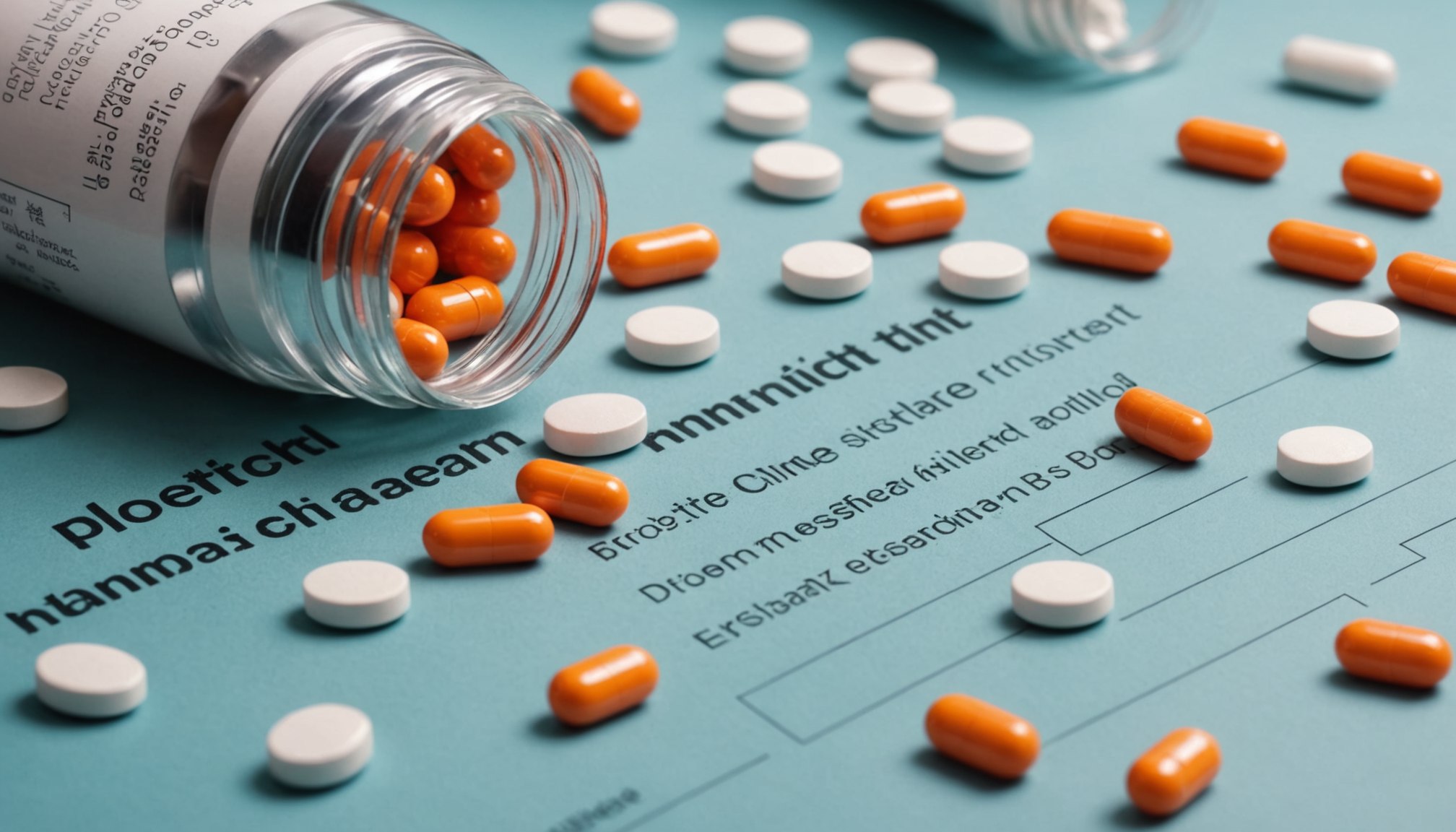
ED pills: a clear, safe guide for patients and partners
Disclaimer: This article is for general education only and does not replace professional medical advice, diagnosis, or treatment. Erectile dysfunction (ED) can be linked to underlying health conditions that require personalized care. Never start, stop, or change any medication without consulting a qualified healthcare professional.
Key terms (glossary)
- Erectile dysfunction (ED)
- A persistent difficulty getting or keeping an erection firm enough for sexual activity.
- ED pills
- Oral medications commonly used to improve erections by enhancing blood flow to the penis.
- PDE5 inhibitors
- A class of drugs (e.g., sildenafil-type medicines) that block an enzyme affecting blood flow.
- Vasodilation
- Widening of blood vessels, allowing increased blood flow.
- Nitric oxide (NO)
- A natural chemical that signals blood vessels to relax during sexual stimulation.
- Libido
- Sexual desire, which is distinct from erectile ability.
- Cardiovascular risk
- Factors related to heart and blood vessel health that may influence ED and medication safety.
- Contraindication
- A situation where a medication should not be used because it may be harmful.
- Side effects
- Unintended effects that can occur alongside the desired action of a medicine.
- Generic medication
- A medicine with the same active ingredient as a brand-name drug, typically at lower cost.
- Psychogenic ED
- ED primarily related to psychological factors such as stress or anxiety.
- Organic ED
- ED caused mainly by physical conditions like diabetes or vascular disease.
- Drug interactions
- Changes in drug effects caused by taking more than one substance together.
- Telemedicine
- Remote medical consultation using digital communication tools.
Clear explanation
What causes ED?
ED often has multiple contributors. Physical causes include reduced blood flow, nerve damage, hormonal changes, or medication effects. Psychological contributors—such as performance anxiety, depression, or relationship stress—can also play a major role. Many men experience a combination of both, which is why a holistic assessment matters before considering ED pills.
How ED pills work
Most ED pills belong to the PDE5 inhibitor class. They support the body’s natural erection process by improving blood flow during sexual stimulation. Importantly, they do not create desire and do not work without arousal. Their effect, onset time, and duration vary among products.
Symptoms and manifestations
Common signs include difficulty achieving an erection, reduced firmness, or erections that don’t last. Some men notice inconsistent performance rather than complete inability. ED can also affect confidence and relationships, making emotional support an important part of care.
Diagnosis and assessment
Diagnosis usually starts with a medical history, medication review, and discussion of symptoms. A clinician may evaluate cardiovascular health, blood sugar, hormones, and mental well-being. This step helps determine whether ED pills are appropriate and safe.
Approaches beyond pills
While ED pills are effective for many, lifestyle measures (regular exercise, sleep, smoking cessation), counseling, and treating underlying conditions can improve outcomes. Devices or other therapies may be considered when pills are unsuitable.
Reader checklist
What you can do
- Discuss symptoms openly with a healthcare professional.
- Review all medications and supplements you take.
- Adopt heart-healthy habits that also support sexual health.
- Use reputable educational resources, including our 專欄 and 校刊 sections.
What to avoid
- Avoid buying ED pills from unverified online sources.
- Do not mix ED pills with nitrates or recreational drugs.
- Don’t assume ED is “just aging” without evaluation.
When to see a doctor urgently
- Chest pain, severe dizziness, or fainting after taking a pill.
- Sudden vision or hearing changes.
- An erection lasting longer than four hours (medical emergency).
| Term | In simple words | Why it matters |
|---|---|---|
| PDE5 inhibitor | Medicine that boosts blood flow | Core mechanism behind most ED pills |
| Contraindication | Reason not to use a drug | Prevents serious side effects |
| Generic | Lower-cost equivalent | Improves access and affordability |
| Drug interaction | Medicines affecting each other | Key to safe prescribing |
Specialist comment (generalized): “For many patients, ED pills are effective when used appropriately, but they work best as part of a broader health plan. Understanding cardiovascular risk and mental well-being is just as important as choosing the medication.”
To explore this topic creatively and visually, see our Videos hub, or browse patient stories and awareness campaigns in 活動 and 相簿. For design-led health communication, visit Creative and Design.
Sources
- National Institute of Diabetes and Digestive and Kidney Diseases (NIDDK): Erectile Dysfunction overview.
- American Urological Association (AUA): Clinical guidelines on ED.
- European Association of Urology (EAU): Patient information on sexual health.
If exact statistics vary by population or product, consult the latest clinical guidelines or a healthcare professional for current data.